
B — Balance: sudden loss of balance or coordination
E — Eyes: sudden vision changes
If any of these symptoms appear suddenly, do not wait.
Why Elderly People Should Not “Wait and See”
A mini stroke may be temporary, but it is not harmless. It can be a warning that blood flow to the brain is unstable. Early medical care can help doctors look for causes such as blood clots, narrowed arteries, high blood pressure, diabetes, high cholesterol, or irregular heartbeat.
The NHS advises calling emergency services immediately if someone has symptoms of a TIA or stroke, even if symptoms disappear while waiting for help.
Waiting at home can waste valuable time. Do not let the person “sleep it off.” Do not drive them yourself if emergency services are available. A suspected TIA should be treated like a stroke emergency.
Who Is at Higher Risk?
Mini stroke and stroke risk can increase with age, high blood pressure, diabetes, high cholesterol, smoking, heart disease, atrial fibrillation, obesity, physical inactivity, previous stroke, or previous TIA.
Older adults often have more than one risk factor, which is why sudden symptoms should be taken seriously. However, stroke-like symptoms should never be ignored at any age.
What Happens After a Suspected Mini Stroke?
At the hospital, doctors may check blood pressure, heart rhythm, blood tests, brain imaging, and blood vessels in the neck or brain. They may also review medicines and medical history.
Treatment depends on the cause. Some people may need blood-thinning medication, cholesterol treatment, blood pressure control, diabetes management, heart rhythm treatment, or other steps to reduce future stroke risk.
The goal is not only to treat the symptoms that happened. The goal is to prevent a more serious stroke.
Final Thoughts
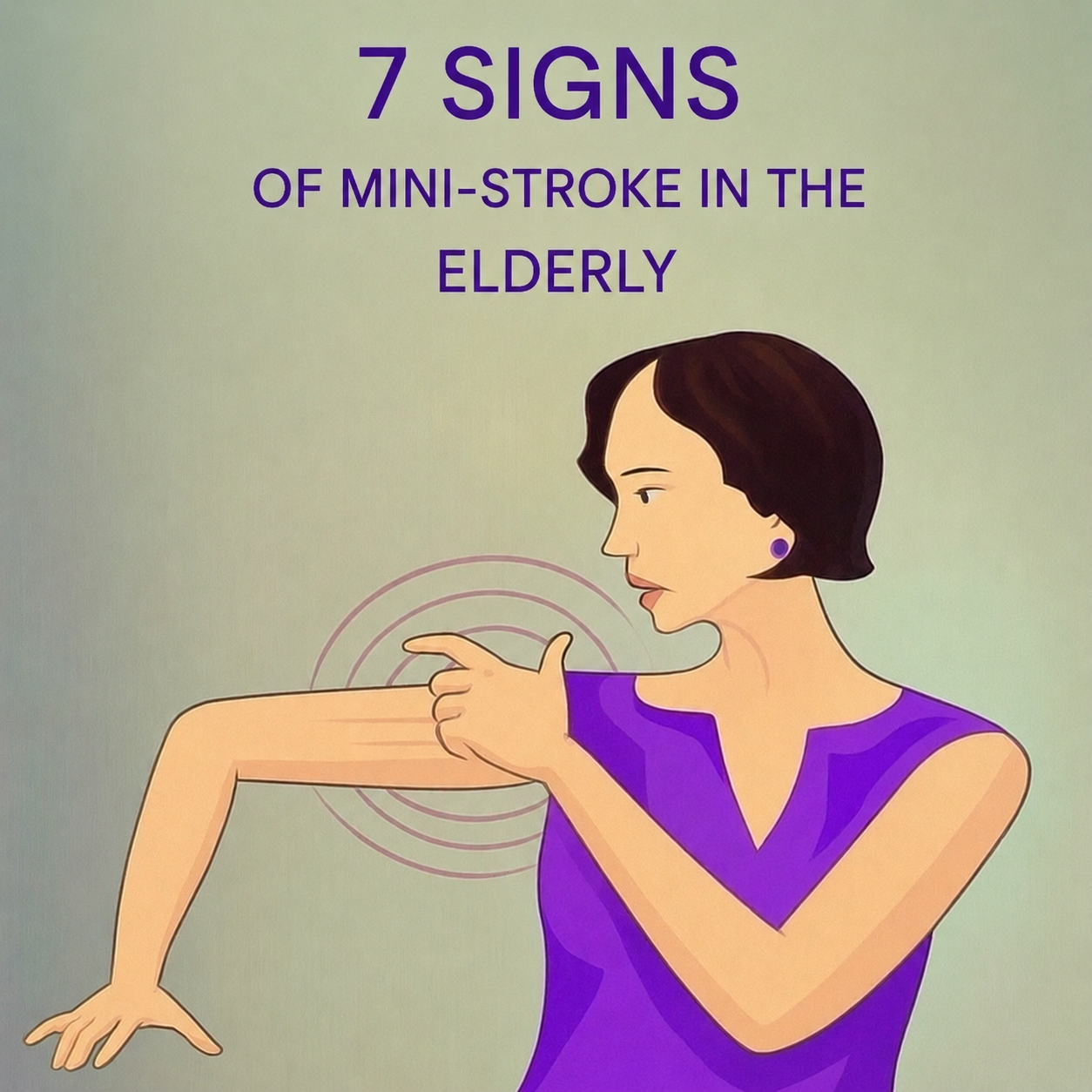
The seven signs of mini stroke in the elderly are sudden one-sided weakness or numbness, face drooping, speech trouble, vision changes, dizziness or balance problems, sudden confusion, and sudden severe headache.
Even if symptoms last only a few minutes, call emergency services immediately. A mini stroke is a warning sign, and fast action can help prevent a more serious stroke.
Disclaimer: This article is for general educational information only and does not replace medical advice, diagnosis, or treatment. If you suspect a TIA or stroke, call emergency services immediately.
