
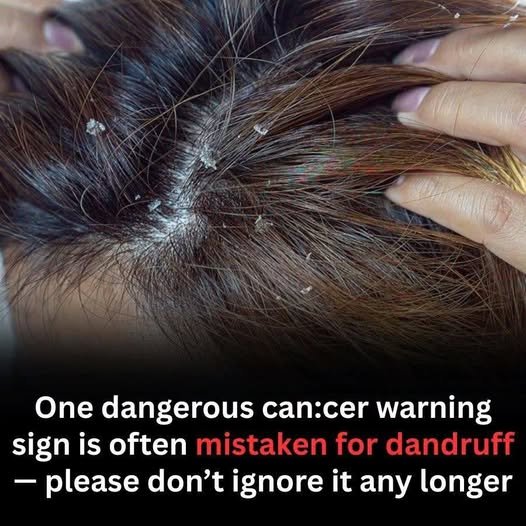
Typical dandruff:
Comes and goes
Responds to treatment
Does not cause pain or bleeding
Concerning scalp changes:
Persist despite treatment
Become thicker or crusted
Bleed or form sores
Change in size, color, or texture
If symptoms fall into the second category, medical evaluation is essential.
Who Is at Higher Risk?
Certain groups face a higher risk of scalp skin cancer, including:
People with prolonged sun exposure
Individuals with fair skin
Older adults
People with thinning hair or baldness
Those with a history of skin cancer
However, doctors caution that no one is immune.
Why Early Detection Matters
When detected early, most scalp cancers are highly treatable. Treatment may involve topical medications, minor surgical procedures, or targeted therapies.
Delayed diagnosis, on the other hand, can allow cancer to spread deeper into tissue, requiring more aggressive treatment and increasing health risks.
Early action saves lives — and often prevents disfigurement.
What Doctors Recommend Instead of Panic
Health professionals strongly advise against self-diagnosis based on images or online claims. Instead, they recommend a calm, informed approach:
Monitor scalp changes regularly
Use a mirror or ask someone to check hard-to-see areas
Seek medical advice if symptoms persist beyond a few weeks
Schedule routine dermatology checkups, especially if at higher risk
Seeing a doctor does not mean something is wrong — it means you are being responsible.
Ignoring this sign could cost you precious time
Why Awareness Is Important — But Fear Is Not
The message behind images like this is not meant to frighten, but to encourage attention.
Skin cancer is one of the most preventable and treatable cancers when caught early. Awareness leads to action, and action leads to better outcomes.
Ignoring symptoms out of fear or embarrassment is what allows problems to grow.
Nguyên nhân da đầu bị gàu? Cách điều trị gàu tại nhà hiệu quả
The Bottom Line
Most dandruff is harmless.
Some scalp conditions are not.
Knowing the difference — and acting when something feels wrong — can make a critical difference.
If your scalp symptoms persist, change, or worsen, doctors urge you not to ignore them any longer. A simple check could provide reassurance — or catch something early, when treatment is most effective.
For any ongoing scalp condition that does not improve with standard care, medical professionals recommend consulting a qualified dermatologist rather than relying on online advice.
